To properly support data center infrastructure buildout across the United States and beyond, electrical manufacturing is key. It’s one of the many reasons the National Electrical Manufacturers Association (NEMA) launched its Make It American™ campaign and initiative, highlighting the anticipated increase in electricity demand over the next 20+ years and just how important electroindustry products are for data center infrastructure.
According to NEMA, “33% of typical AI data center build cost is electroindustry equipment.” There’s power generation, uninterruptible power supply (UPS), heating, ventilation, and air conditioning (HVAC), and life safety systems, to name a few. Just as surge protection goes hand-in-hand with this equipment in every other facility structure, a cascading design of surge protectors is the differentiating factor that ensures uptime, redundancy, and reliability of data centers.
The scope of data center infrastructure is immense, with a majority of the intricacies taking place internally (here’s a map from NEMA that shows the electrical components of a typical data center layout). As a starting point, let’s focus largely on the high-level interior design and aspects where surge protection is most crucial.
Surge Protection for Data Center Power and UPS
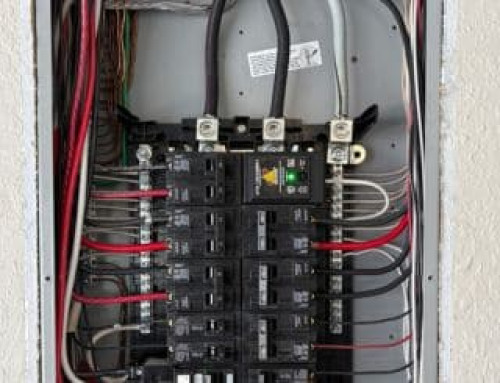
When data center infrastructure is carefully designed, it’s likely to include numerous power sources, backup forms of power, uninterruptible power supply (UPS), and power monitoring – all of which are necessary for a reliable and resilient facility. Each source, backup system, or method of redundancy is vulnerable to damaging power surges and spikes. While failover systems do serve as a type of safeguard for the facility itself, they won’t account for the destruction, damage, or degradation of electrical components caused by transient surges. These can lead to a loss of data, reduced production, or equipment repairs and replacements. From service entrances to distribution panels, branch panels, backup generators, and UPS technology, all power that relies on an electrical path needs armor in the form of surge protectors.
Surge Protection for Data Center Life Safety and Security Systems
In compliance with the 2023 National Electrical Code (NEC), a listed surge protective device (SPD) is required for fire alarm systems on the supply side. This means surge protection must be installed at the power source to shield the alarm system from externally- or internally-generated power surges and spikes. Beyond the best practice of adhering to NEC guidelines, installing surge protection at the power source(s) of a fire alarm system prevents damage and ensures the alarm functions when it matters most.
Access control, video surveillance, and additional forms of physical security within the structure will require further layers of safeguarding to maintain a controlled environment. Starting with the headend, network surge protection will shield Ethernet, PoE circuits, and PoE extender circuits. From there, each line or cable should include a designated SPD to safeguard equipment downstream.
Surge Protection for Data Center HVAC
All buildings that house significant technologies are particularly sensitive to temperature and humidity levels, making quality indoor airflow a top priority. When these systems aren’t operating properly, it can lead to uncomfortable, costly results. For continuous operations and enabling healthy, optimal conditions, safeguarding HVAC systems from the effects of power surges and spikes is unquestionable. The same is true for any additional electrical cooling methods for equipment.
Surge Protection for Data Center Networks and Connectivity
Shielding essential networking and communications systems will support secure, dependable connections between servers, external networks, and storage systems. These SPDs serve as a safeguard for switches, routers, firewalls, and cabling, all of the networking equipment that data center infrastructure relies on every day. With the already high demand for optimal connectivity and the projected increase, protecting each component of data center network and communications systems will be vital in maintaining the strength, high performance, and reliability of the facility.
There are numerous articles now about the architecture of data centers, many with similar, insightful tips to consider about the build out of data centers and the ongoing evolution. The greatest consistency between most though – building and maintaining data center infrastructure that is energy efficient, reliable and redundant, and secure. In order to do so, the anatomy of the design must include layered surge protection.
At DITEK, team members are currently working with associations like NEMA (along with others) to ensure that surge protection isn’t an afterthought for the electroindustry equipment necessary to construct a data center. As these facilities scale and electrical demands increase, the risk of power surges and spikes will rise, as well. The need to support this infrastructure with a surge protection plan cannot be overstated when uptime, redundancy, and reliability are top priorities.