For the southeastern parts of the United States, June 1 signals the start of “storm season” every year. As many residents are familiar with, the height of storm season is typically expected in the fall, but afternoon thunderstorms—occasionally severe—are the norm throughout a six-month period. And no surprise, this also increases the lightning activity and therefore a greater chance of externally-generated power surges. This leads us to surge protection for storm season, important data, lightning facts, and solutions for homes and more.
Before we go any further, we can’t emphasize enough that although power surges are frequently associated with lightning (and we get it, it’s not wrong per se), the Institute for Business & Home Safety estimates that 60-80% of all surges and spikes originate from internal appliances and systems. Storm season might make surge protection top-of-mind, but it’s a year-round necessity for every home and business in any location.
That said, lightning and storm season should still be taken seriously. According to the National Weather Service, “a typical lightning flash is about 300 million Volts and about 30,000 Amps.” And, in a 2026 update, the Insurance Information Institute shared that U.S. insurers paid an estimated $1.65 billion in lightning-related claims in 2025, with the average cost per claim of $26,616. Florida, Texas, and California were listed as a few states with the highest number of claims. While there are a number of factors that contributed to the increases reported by the III, the risk of damage and the potential costs are apparent.
Now, when many people think about lightning-related power surges, they think of a dramatic direct strike (hold that thought…). More often though, the extreme energy from a lightning strike travels along power lines, phone lines, plumbing, and other systems. It may not be as immediately destructive as a direct hit, but the power surges and spikes generated can easily damage or degrade anything connected to a power source.
A quick point of clarification—”lightning protection” and surge protection are not the same thing. Surge protectors are not designed to prevent a direct lightning strike from damaging your equipment and electronics, but they are made to shield appliances, electronics, and other technology from the surges that may travel from a nearby lightning strike, as well as other externally- and internally-generated spikes.
What surge protection solutions should be considered for storm season?
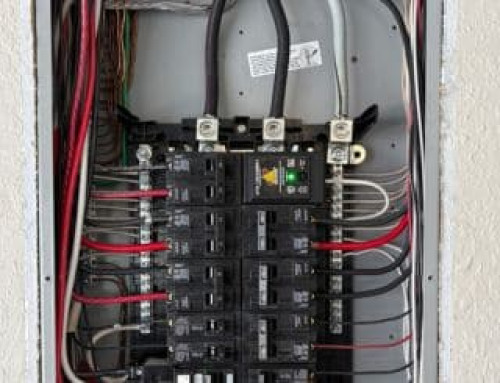
For homes, whole home surge protection is a must and required by the 2020 and 2023 National Electrical Code (NEC). These devices are installed at your electrical panel to safeguard against surges entering through the main power line. DITEK’s whole house series features the DTK-120/240BK1 breaker-style surge protector and the DTK-120/240HD2.
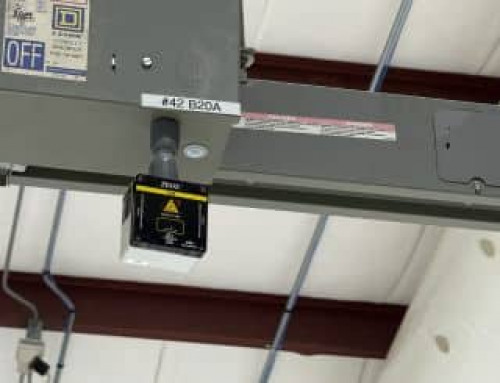
We always recommend an additional layer of protection for HVAC systems at every residence. Two great options include the DTK-120/240CM+ and DTK-KG2. The first will provide surge protection for the appliance specifically, and the latter includes surge protection in addition to intelligent voltage monitoring for undervoltage events as well.
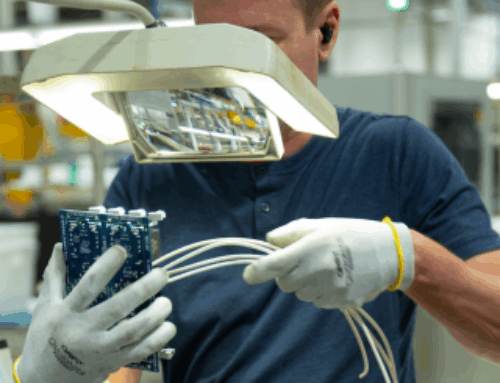
When connection and uptime is a top priority, DITEK’s UPS Series provides point-of-use surge protection for both industrial and residential needs. These UPS units can bridge short power outages, or in the event of an extended outage, they’ll provide time to properly shut down connected devices and equipment.
Additional point-of-use surge protection provides an extra layer of shielding for equipment connected directly to the SPD. DITEK provides a Plug In Series, but if you’re looking at other power strips, always check to see that surge protection is included.
Next steps for homeowners and business owners: Contact your local, licensed electrician or integrator to ask about adding surge protection for storm season (and beyond) for any of the above, as well as appliances and systems unique to your location.
Next steps for electricians, HVAC installers, and industry professionals: Contact DITEK! If you’d like to schedule a training or have questions about surge protection and storm season, our team is here to support you.
Adding surge protection after the damage is too late. If storm season brought you here and put surge protection on your mind, now is the time to add the first line of defense for the technology you rely on every day.